

 Then he withdrew from them about a stone’s throw, knelt down, and prayed, “Father, if you are willing, remove this cup from me, yet not my will but yours be done” (Luke 22:41-42 NRSV).
One of the most remarkable elements of Jesus’ journey to crucifixion is his prayer in the Garden of Gethsemane with his words, directed to God, from the cross. The lead up to his death is a pathway of crises. His path was accompanied by desertion, betrayal, an unjust trial, abandonment by his friends, being mocked, teased and treated with cruelty. A journey of violence and pain.
The escalation of the war with Iran seems to be unabated. The ceasefire is very fragile. We have heard the threats made against ‘a civilisation’ and reports of ongoing attacks on Lebanon. All this is in the context of the continuing dispossession of Palestinians in the West Bank and the fragility of Gaza. We are updated about all of this hour by hour! It is unsettling.
I find the patterns of Jesus in his prayerful trust in God reassuring. At one level we are powerless in the face of the conflict in the Middle East. On the other hand, we are not. We have the assurance that Jesus is with us ‘to the end of the age’, and the promise that where two or three gather, ‘Jesus is with us’. This assurance provides an important framework for prayer and conversation.
We can pray, together and individually, for the miracle of peace and for an end to the violence in the Middle East and in so many other places. We can express our feelings, fears and frustrations to God. We can do this with those around us knowing that Jesus is close to us.
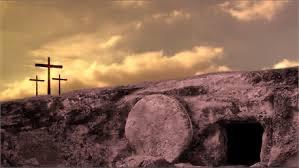
This pattern of crisis, faith and hope is our Easter path. Jesus enters Jerusalem, goes to the cross and out of the violence comes the news: ‘He is Risen’ and is not to be sought among the dead! May this faith filled affirmation be an encouragement to us all in these challenging times.
Rev John Gilmore
President, NCCA