
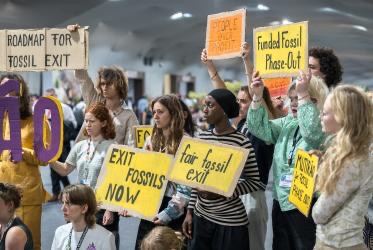
Today’s global economy is shaped by extractivism – a way of living that treats Earth as something to be used up rather than cared for. Extractivism removes coal, oil, gas, forests, water, and minerals on a massive scale, often leaving behind polluted land, broken ecosystems, and harmed communities. This approach fuels climate change and biodiversity loss through fossil fuel use, deforestation, industrial agriculture, meat overconsumption, and the constant pressure for economic growth at any cost.
The people who bear the greatest burdens are usually those who did the least to cause the crisis – Indigenous communities, small-scale farmers, coastal peoples, and those living in the Global South. Extractivism leads to polluted air, toxic water, poor health, loss of land, disappearing livelihoods, and forced displacement of human and biodiversity species. These are not only environmental wounds but spiritual and moral ones.
In response, the World Council of Churches together with regional ecumenical councils and ecumenical partners invites the global Christian family into a global systemic carbon fast – a spiritual journey of prayer, reflection, and collective action that seeks not only to reduce personal carbon footprints but to reshape the systems that drive exploitation and destruction of the web of life.