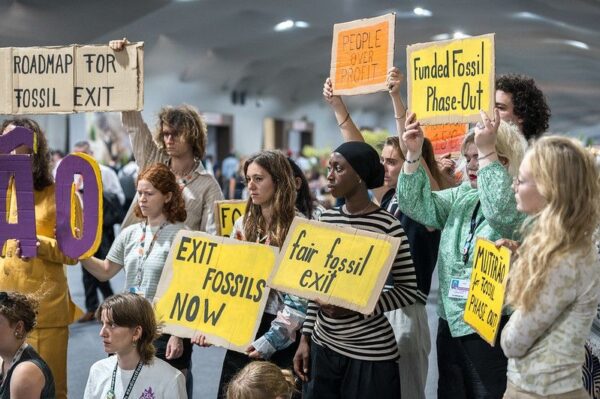
Through the Ecumenical Decade of Climate Justice Action, the World Council of Churches (WCC) calls for the global Christian family to participate in a Global Systemic Carbon Fast from 18 February to 1 April. This year, WCC’s Lenten campaign on Seven Weeks for Water becomes an integral part of the fast. Seven weeks of prayer, reflection and action address personal carbon footprints alongside the economic systems driving climate change and water contamination across the web of life
Today’s global economy is shaped by extractivism—a way of living that treats Earth as something to be used up rather than cared for. Fossil fuel use, deforestation, industrial agriculture, and the constant pressure for economic growth fuel climate change and biodiversity loss. Those who bear the greatest burdens usually did the least to cause the crisis: Indigenous communities, small-scale farmers, coastal peoples, and those living in the global South. These industries directly impact water systems while concentrating power away from marginalized communities, especially women. Churches, congregations, and ecumenical networks are called to confront these economic structures that harm human communities and creation—and to take decisive steps toward restorative alternatives.
A “theology of enough” grounds this fast. God created a world of abundance for all living creation—not scarcity, but also not unlimited consumption or unrestrained accumulation.